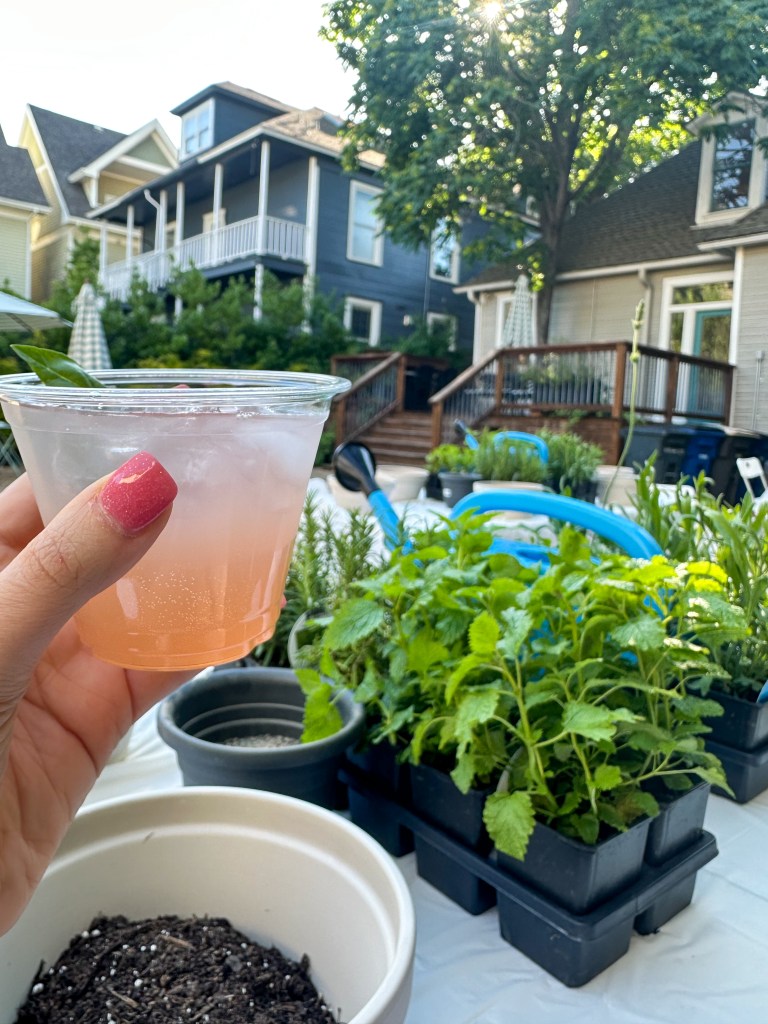
Yes, I eat weeds now. Welcome to my foraging era.
#UrbanForaging #NewHobby #GrowYourOwn
I used to think basil came from Trader Joe’s and dandelions were a landscaping issue. Now I’m scanning sidewalks for wild mint like a caffeinated squirrel and grinding my own spice blends like it’s a cottagecore fever dream. Call it a post-MBA decompression hobby or a gateway into my suburban druid phase—but I’m officially in my foraging and DIY spice era.
And honestly? I’ve never felt more connected to science, sustainability, and my spice rack.
🌱 What Is Urban Foraging?
Urban foraging is the practice of harvesting wild, edible plants that grow in your city or neighborhood. We’re talking dandelion greens, purslane, wild fennel, chickweed, plantain (not the banana kind), and even elderflowers if you know where to look.
Pair that with a windowsill garden of home-grown basil, rosemary, chives, and cilantro, and suddenly… your seasoning game hits ✨chef’s kiss✨ levels.
🔬 Why It Feeds My STEMinist Soul
I’m a woman who reads ingredient labels for fun and once built a nutrient tracker in Excel “just to test it.” Foraging is my way of mixing science with spice—literally.
- Botany meets brunch.
- Biology meets butter.
- Systems thinking meets soil.
The act of identifying, harvesting, and preparing your own herbs or wild greens is basically a field experiment. One with delicious results and minimal peer review.
🌿 Easy Wins: Spices & Weeds You Can Grow or Gather
✅ Grow These Indoors (Apartment-Tested!)
- Basil: Loves warmth + sunlight. Add to pasta, pizza, or Thai curries.
- Mint: Grows aggressively. Great in tea, cocktails, or Middle Eastern dishes.
- Rosemary: Hardy and drought-tolerant. Use with potatoes, meat, or focaccia.
- Chives: Fast-growing, mild onion flavor. Great in eggs and dips.
🌼 Common Forageables (That Are Actually Safe & Yummy)
- Dandelion Leaves: Bitter greens, great in salads or sautéed.
- Purslane: Omega-3 packed succulent with a citrusy crunch.
- Wild Fennel: Feathery fronds with a sweet, anise-like flavor.
- Plantain Leaf: Healing properties, used in teas or poultices (yes, really).
STEMinist Tip: Always cross-reference with a plant ID app like PictureThis or Seek by iNaturalist. Safety first. Not all green things are salad.
🔧 My Foraging + Spice Workflow
- ID & Research: What’s in season? What’s invasive? What’s edible?
- Harvest Mindfully: I follow the “1-in-20 rule” — only take 5% of any given patch.
- Clean + Prep: Always wash your finds. I soak in a vinegar rinse, then dry.
- Grind or Steep: Dehydrate herbs to make your own spice mixes, or steep greens into healing teas.
- Label It Like a Lab Sample: Because “mystery green jar” isn’t cute.
🍳 Favorite DIY Spice Combo: “STEMinist Salt”
- 2 tbsp dried rosemary
- 1 tbsp flaky sea salt
- 1 tbsp crushed pepper
- Optional: 1 tsp dried lemon zest or lavender
Grind together and sprinkle on literally everything. You’re welcome.
💚 Why It Matters
Foraging and growing my own spices has:
- Cut down on food waste
- Made my meals feel sacred (yes, sacred!)
- Reconnected me to nature in bite-sized moments
- Reminded me that sustainability starts in our own spice drawers
So yes, I eat weeds now. And I’ve never felt more empowered, experimental, or seasoned (pun intended).
Come join me. Let’s reclaim our spice cabinets, one wild green at a time.
#UrbanForaging #WomenWhoGrow #GrowYourOwn #STEMinistSpiceRack #HerbalEra
 A LTL Piece of Advice
Leave a comment